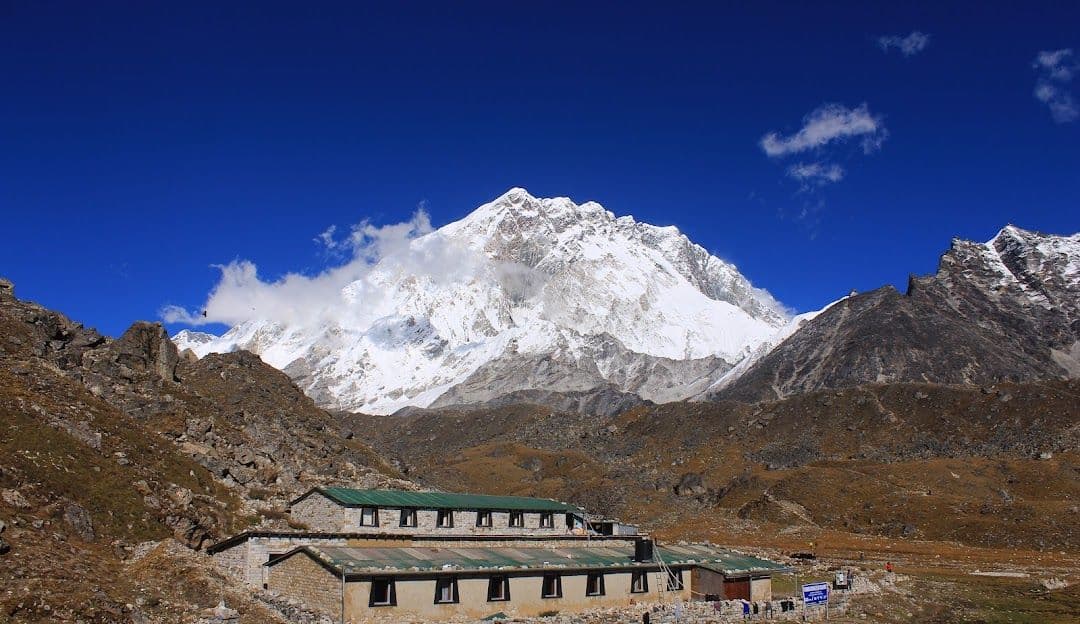
Everest Region
Home to Mount Everest (8,848.86m), the Everest Region offers legendary high-altitude treks through Sherpa homeland, ancient monasteries, and dramatic glaciated valleys.
Everest Region
Get Ready to Acclimatize to the Everest Region: The Ultimate Guide to Trekking and Adventure

Get ready to acclimatize to the Everest Region: The Ultimate Guide to Trekking and Adventure begins with a journey into one of the most breathtaking landscapes on Earth. The Everest Region rewards trekkers with nonstop views of the world’s tallest peaks, deep valleys, and high-altitude trails. From the alpine forests to snowy ridgelines, this area is a dream for anyone who loves mountains, culture, and adventure.
Discovering the Everest Region: Heart of the Himalayas
The Everest Region is home to Mount Everest, the tallest mountain in the world, rising 8,848 meters above sea level. While Everest straddles Nepal and China, the most popular and accessible trekking routes begin in Nepal. Most travelers fly into Lukla, a small mountain airport, before starting their journey toward Everest Base Camp.
Trekking in the Everest Region: A Cultural and Natural Experience

Trekking here isn’t just about the views. You’ll pass through vibrant Sherpa villages and visit ancient Buddhist monasteries. These trails offer a rare look at mountain life in Nepal. This rich blend of cultural heritage and natural beauty has earned the region recognition as a UNESCO World Heritage Site.
You’ll also walk through rhododendron forests, spot yaks grazing, and may even see rare species like the Himalayan tahr. It’s a perfect balance of nature, culture, and high-altitude adventure.
Highlights of Everest Region Trekking Routes
Everest trekking offers more than one path. Depending on your time, fitness level, and interests, you can explore different routes:
- The classic Everest Base Camp Trek takes about 12 days
- The serene Gokyo Lakes Trek offers less crowded trails and stunning glacial lakes
- Adventurers can combine routes or take on high passes like Cho La and Renjo La
- You can also explore the Annapurna Skyline Trek (Royal Trek) for a shorter and more cultural trek
These trails offer constant views of Everest, Lhotse, Nuptse, and Ama Dablam. You’ll also experience deep gorges, suspension bridges, and alpine villages like Namche Bazaar and Tengboche.
Why You Need to Acclimatize in the Everest Region
High altitude can affect even the most experienced trekkers. That’s why getting ready to acclimatize to the Everest Region is essential. Most itineraries include rest days in places like Namche Bazaar or Dingboche. These breaks help your body adjust to lower oxygen levels and reduce the risk of altitude sickness.
To learn more about staying safe at altitude, check out Altitude.org, a trusted resource for high-altitude health.
Is Everest Region Trekking Right for You?
Yes—if you’re looking for a once-in-a-lifetime adventure. The Everest Region has something for every level of trekker. From beginner-friendly treks to challenging high-altitude passes, you can choose a route that fits your goals. Plus, the region’s cultural depth and natural beauty make every step rewarding.
Best Time to Visit & Trek in Everest Region
Himalayan weather varies significantly by altitude and month. Review our seasonal guide to choose the optimal window for your adventure.
Autumn (Peak Season)
September – NovemberThe quintessential Himalayan trekking season. Crisp crystal-clear skies, spectacular visibility of snow peaks, and warm daytime walking temperatures.
Spring (Rhododendron Season)
March – MayLong sunny days and mild alpine temperatures. Valley forests erupt into vibrant red, pink, and white rhododendron blossoms with active wildlife.
Winter (Serene & Crisp)
December – FebruaryBrilliant blue skies and uncrowded trails with dramatic snow vistas. High passes may experience deep snow; ideal for cultural tours and lower routes.
Summer / Monsoon
June – AugustLush green terraced hillsides and roaring alpine rivers. Rain-shadow trans-Himalayan valleys like Upper Mustang and Nar Phu remain arid and dry.

Plan a Custom Everest Region Adventure
Prefer flexible dates, a private guide pace, or luxury lodge upgrades? Talk directly with our founder & lead guide Kumar Dahal (20+ years guiding across Nepal, Tibet & Bhutan). 100% customized with zero middleman markups.
Loading tour packages...
Comparing Top Everest Region Treks & Itineraries
Side-by-side breakdown of duration, maximum elevation, trekking difficulty, and pricing to help you choose the ideal route for your Himalayan adventure.
| Trek / Package | Duration | Difficulty | Max Altitude | Best Season | Starting Price | Action |
|---|---|---|---|---|---|---|
| 3 Days Kalinchowk Trek: Complete Itinerary, Cost & Travel Guide | 3 Days | easy | 3,800 meters (12,467 feet) | Mar to May,Sep to Nov,Dec to Feb. | $375 | View Route |
| Gokyo and Everest Base Camp Trek | 16 Days | moderate | 5,555m / 18,208ft | September, October, November and December and March, April and May. | $1,999 | View Route |
| 5 Day Everest View Trek: Unforgettable Journey into the Himalayas | 5 Days | moderate | 3,800 meters | Feb,Mar,Apri,May,Jun,Sep,Oct,Nov,Dec | $999 | View Route |
| helicopter return from everest basecamp | 11 Days | moderate | 5545m | Sept, Oct, Nov, March, April, May | $2,999 | View Route |
| Everest Base Camp Helicopter Trek | 5 Days | moderate | 5,511 | Spring (March to May) and (September to November) | $1,555 | View Route |
| Everest view Helicopter Tour | 1 Days | easy | 5545m | Sept, Oct, Nov, March, April, May | $4,790 | View Route |
| Pikey Peak Trek | 9 Days | moderate | 4,065 m (Pikey Peak) | March to May, Sep to Nov | $899 | View Route |
| Gokyo Lakes Trek | 13 Days | strenuous | 5357 m | May to May, Sep to Nov, Dec to Feb, Jun to Aug | $1,175 | View Route |
| Everest Base Camp Kalapathar Trek | 14 Days | strenuous | 5545m | Spring (March to May) and (September to November) | $1,399 | View Route |
All packages include government-certified Sherpa guide, TIMS permit, National Park entries, luggage porter, and teahouse stays.
