Bhutan Tour Land of the Thunder Dragon

Discover Bhutan: The Land of the Thunder Dragon

Nestled in the eastern Himalayas, Bhutan is a breathtaking country often referred to as the “Land of the Thunder Dragon.” This enchanting destination is renowned for its stunning landscapes, rich cultural heritage, and commitment to Gross National Happiness. If you’re considering a tour of Bhutan, here’s what to expect.

Unparalleled Natural Beauty

Bhutan’s diverse geography ranges from lush valleys to towering peaks, making it a paradise for nature lovers. The picturesque landscapes provide the perfect backdrop for trekking, with popular trails like the Snowman Trek and the Bumthang Owl Trek offering unforgettable experiences. Don’t miss the iconic Taktsang Monastery, perched on a cliff 3,000 meters above sea level, which is a must-see for every visitor.

Rich Cultural Heritage

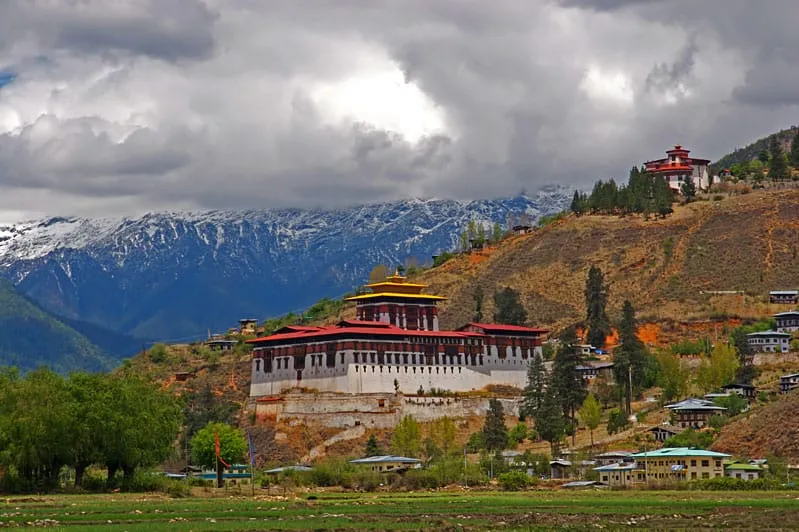
Bhutan is steeped in tradition and spirituality. Its vibrant festivals, such as the Paro Tsechu and Thimphu Tshechu, showcase colorful masks and traditional dances, drawing visitors from around the globe. The country’s commitment to preserving its culture is evident in its architecture, with dzongs (fortresses) and monasteries dotting the landscape, each telling a story of Bhutan’s rich history.

Unique Experiences

Traveling in Bhutan is unlike anywhere else. The government prioritizes sustainable tourism, ensuring that visitors enjoy an authentic experience while preserving the environment and local culture. Tour packages often include guided tours, traditional meals, and opportunities to interact with locals, providing a deeper understanding of Bhutanese life.

Adventure Awaits

Whether you’re seeking adventure or tranquility, Bhutan has something for everyone. Engage in outdoor activities like white-water rafting and mountain biking or simply relax in a traditional hot stone bath. The warm hospitality of the Bhutanese people will make your journey even more memorable.

Conclusion

A tour of Bhutan offers an unparalleled blend of natural beauty, cultural richness, and adventure. From its majestic mountains to its vibrant festivals, the Land of the Thunder Dragon promises an unforgettable experience. Start planning your journey today and discover the magic of Bhutan!
Adventure Nepal Tour

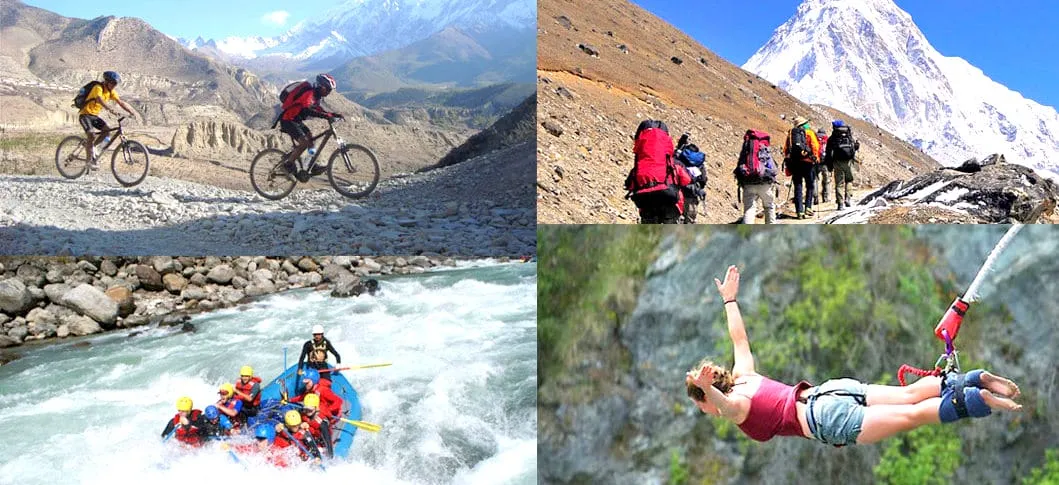
Nepal is an adventure lover’s dream, offering a stunning backdrop of the Himalayas and a wealth of thrilling activities. If you’re planning an Adventure Nepal Tour, you’re in for an unforgettable experience. Here are some of the top adventure activities that will create lasting memories during your visit.

1. Trekking: The Ultimate Adventure

Trekking is the crown jewel of any Adventure Nepal Tour. Iconic routes like the Everest Base Camp trek and the Annapurna Circuit showcase breathtaking views and diverse landscapes. Along the way, you’ll pass through charming villages and ancient monasteries, immersing yourself in the rich local culture.

2. White-Water Rafting: Ride the Rapids

For those craving an adrenaline rush, white-water rafting is a must. The Bhote Koshi and Trishuli rivers offer some of the best rafting experiences in the world. With options for all skill levels, you can navigate thrilling rapids while soaking in the stunning natural beauty surrounding you.

3. Paragliding: Fly High in Pokhara

Soar above the picturesque landscapes of Pokhara during your Adventure Nepal Tour. Paragliding offers a unique perspective of the majestic Annapurna range and the serene Phewa Lake. This exhilarating experience allows you to float gracefully through the sky, creating memories that will last a lifetime. Click here to learn more about paragliding.

4. Jungle Safaris: Encounter Wildlife in Chitwan

Discover the incredible biodiversity of Nepal with a jungle safari in Chitwan National Park. During your Adventure Nepal Tour, you’ll have the chance to spot iconic wildlife, including the Bengal tiger and one-horned rhinoceros. Choose from jeep safaris, guided walks, or canoe rides for an exciting exploration of this UNESCO World Heritage site.

5. Bungee Jumping: Take the Leap

For thrill-seekers, bungee jumping at The Last Resort is an experience you won’t forget. Jumping from a height of 160 meters over a stunning gorge will get your heart racing and provide an adrenaline rush like no other.

Conclusion

An Adventure Nepal Tour is filled with unique experiences that promise to create unforgettable memories. From trekking the stunning Himalayas to exhilarating activities like paragliding and bungee jumping, Nepal is a destination that caters to all adventure enthusiasts. Start planning your journey today and discover the incredible adventures waiting for you in this beautiful country!

Buddhist Circuit Tour

Buddhist Circuit Tour in Nepal: Explore Sacred Places and Spiritual History

Discover the Buddhist Circuit Tour

Embarking on the Buddhist Circuit Tour in Nepal allows you to visit significant sites filled with spiritual and cultural importance. This tour guides you through key locations that are crucial for understanding Buddhism’s history and its impact in Nepal. In this guide, you will find important places to visit along the Buddhist Circuit.

Lumbini: The Birthplace of Buddha

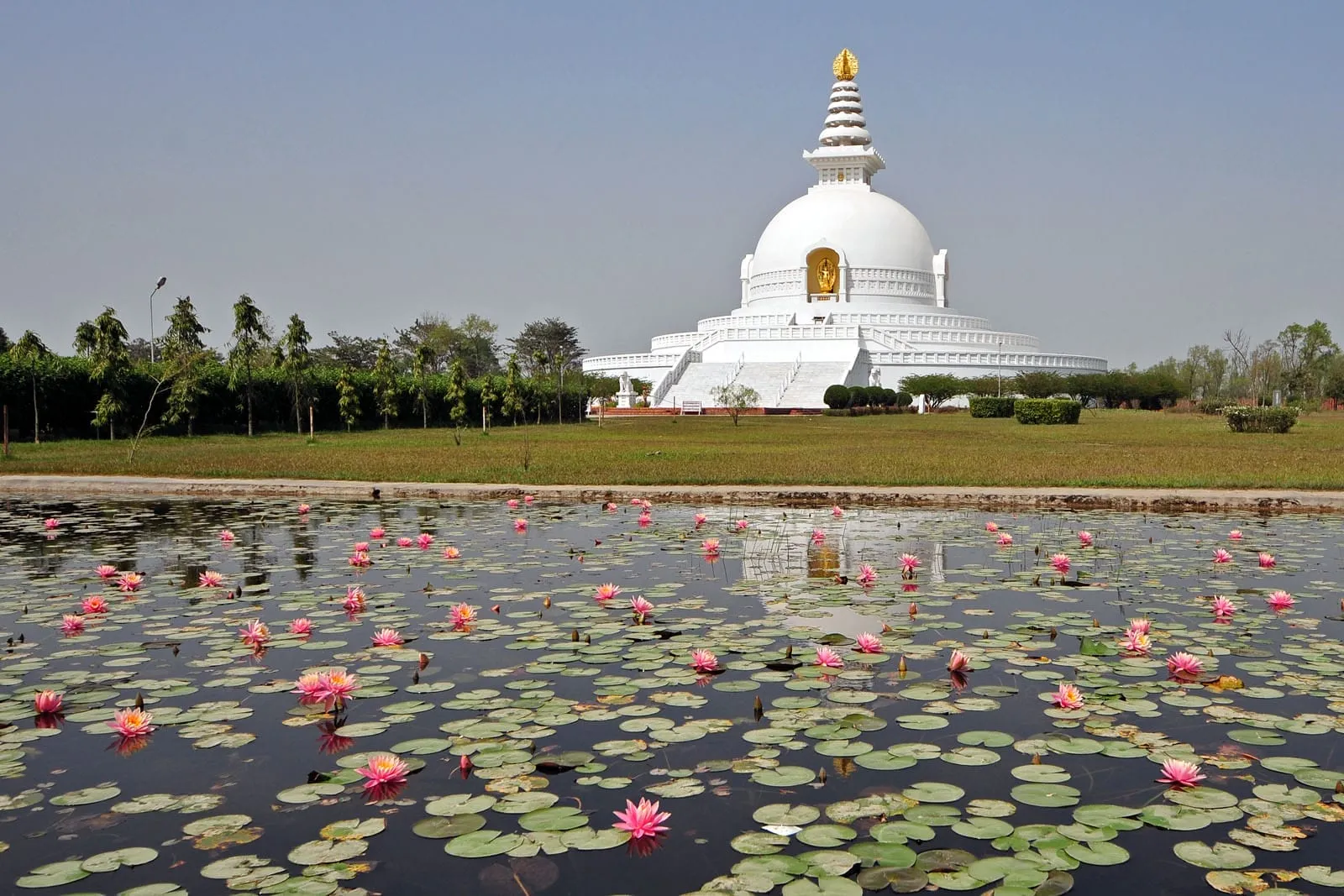
Firstly, Lumbini is a central part of any Buddhist Circuit Tour in Nepal. This peaceful area, recognized as a UNESCO World Heritage Site, is where Siddhartha Gautama, the Buddha, was born. Visitors can walk through beautiful gardens, see the Maya Devi Temple, and visit the Ashoka Pillar, which marks the historical birthplace of the Buddha. Furthermore, the calm environment is ideal for reflection and meditation.

Swayambhunath (Monkey Temple)

Next, Swayambhunath, often called the Monkey Temple, is one of the most famous stupas in Kathmandu. It sits on top of a hill, providing a breathtaking view of the entire valley and the busy city below. The old stupa is adorned with colorful prayer flags, and as you explore, you can hear monks chanting while playful monkeys frolic around. This place truly captures the spiritual essence of the Buddhist Circuit Tour in Nepal.

Boudhanath Stupa

Additionally, Boudhanath Stupa is another important site to visit during your Buddhist tour in Nepal. It is one of the largest stupas in the world and a key spot for Tibetan Buddhism. As you walk around the stupa, you will see people circumambulating it and spinning prayer wheels, accompanied by numerous colorful shops and monasteries nearby. This lively area allows visitors to immerse themselves in local culture and spiritual activities.

Kopan Monastery

Moreover, located on the edge of Kathmandu, Kopan Monastery is a tranquil place where individuals go to learn about meditation and Tibetan Buddhism. Guests can participate in daily prayers, stroll through the serene grounds, and enjoy stunning views of the Kathmandu Valley. The monastery provides a calm setting that is excellent for spiritual growth and deep reflection during your Buddhist tour. To learn more about meditation retreats, visit Kopan Monastery’s official website.

Namo Buddha

Finally, Namo Buddha is a holy site situated about 40 kilometers from Kathmandu, where it is said that the Buddha sacrificed his body to a hungry tigress and her cubs. The peaceful surroundings and breathtaking views of the hills make it a perfect spot for meditation and contemplation. Here, the stupa serves as a reminder of the importance of kindness and selflessness.

Summary

In conclusion, a Buddhist Circuit Tour in Nepal takes you to ancient places that embody the heart of spirituality and history. Starting from Lumbini, where Buddha was born, to the beautiful stupas in Kathmandu, every location offers unique lessons about Buddhist beliefs and customs. Whether you seek spiritual growth or a deeper understanding of Nepal’s rich culture, this tour provides a memorable adventure.

Jomsom Trek

Jomsom Trek: A Beautiful Trip Through the Himalayas

The Jomsom Trek is a wonderful adventure that takes you through the beautiful mountains of Annapurna and Dhaulagiri. This trek is perfect for experienced hikers and those who want a special experience in the Himalayas. Let’s see what makes this trip so amazing.

Amazing Views on the Jomsom Trek

The Jomsom Trek gives you some of the most beautiful sights in Nepal. As you walk through green valleys, terraced fields, and dry areas, you’ll be surrounded by tall mountains like Annapurna and Dhaulagiri, which are over 8,000 meters high. The changing views are like a beautiful picture, making every part of the trip enjoyable.

Cultural Experiences on the Jomsom Trek

A major highlight of the Jomsom Trek is the chance to learn about and interact with the local cultures. The path goes through traditional villages where Gurung and Thakali people live. During the trek, you can meet locals, understand their traditions, and enjoy genuine Nepali food. Also, make sure to visit local monasteries, where you can see the mix of Buddhist and Hindu practices.

The Path to Jomsom

The trek typically starts in Nayapul and lasts around 5 to 7 days, depending on your speed and chosen route. The trail to Jomsom is clearly marked and includes both easier and more difficult parts. As you walk, you’ll pass through lovely places like Ghasa, Marpha, and Kagbeni, each with its own special features and charm.

Beautiful Sunsets and Sunrises on the Jomsom Trek

A truly special part of the Jomsom Trek is seeing the beautiful sunrises and sunsets over the Himalayan mountains. The golden light shining on the snowy peaks makes for a remarkable sight. Places like Poon Hill and Jomsom are especially known for these amazing views.

Annapurna Conservation Area Project (ACAP) – Provide information about trekking permits and conservation efforts in the region. Annapurna Conservation Area Project

Summary

The Jomsom Trek is not just a hike; it’s a memorable trip through the heart of the Himalayas. With its beautiful scenery, rich cultural experiences, and the friendly welcome from local people, this trek offers unforgettable memories. Whether you’re an experienced hiker or new to trekking, the Jomsom Trek should be on your travel bucket list. Start planning your adventure today! if you need to know more about annapurna region please vist this link

Annapurna Balcony Trek Your Complete Guide to Stunning Views

Annapurna Balcony Trek Your Complete Guide to Stunning Views

Discover the Beauty of the Annapurna Region Embark on the Annapurna Balcony Trek, an extraordinary adventure that showcases the breathtaking beauty of the Annapurna region in Nepal. This trek promises stunning landscapes, rich cultural experiences, and unparalleled views of the majestic Himalayas. Perfect for both seasoned trekkers and those new to the trails, the Annapurna Balcony Trek offers something for everyone.

Experience Unique Landscapes

The Annapurna Balcony Trek takes you through diverse terrains, from charming villages to lush, green forests. As you ascend, marvel at the panoramic views of iconic peaks such as Annapurna South, Machapuchare, and Dhaulagiri. Each step reveals awe-inspiring landscapes, with terraced fields and vibrant rhododendron forests creating a picturesque backdrop. The trek’s elevation ranges from lush subtropical regions to higher altitudes, providing a unique perspective on the changing environment.

Cultural Immersion

Along the journey, immerse yourself in the local culture. Visit traditional Gurung and Magar villages where you can interact with friendly locals and learn about their way of life. Sample delicious local cuisine, such as dal bhat and momo, and gain insights into the customs and traditions that define this beautiful region. The warmth and hospitality of the people will leave a lasting impression, making your trek even more memorable.

Adventure Awaits

Whether you seek adventure or natural beauty, or cultural experiences, the Annapurna Balcony Trek promises an unforgettable journey. Capture breathtaking photos, enjoy quiet moments in nature, and create lasting memories with fellow trekkers. Each day brings new challenges and rewards, making this trek an enriching experience.

Plan Your Adventure Today!

Ready to embark on this incredible journey? Visit our website for detailed itineraries, essential packing lists, and tips for trekking in Nepal. Start planning your adventure today and discover the hidden treasures of the Trek!

Kanchenjunga South Base Camp Trek

If you’re a trekker who enjoys off-the-beaten-path adventures, the Kanchenjunga South Base Camp Trek is one of the most challenging and rewarding treks in Nepal. This trail leads to the southern base camp of Mount Kanchenjunga, the world’s third-highest mountain at 8,586 meters.

Far from the crowded trails of Everest or Annapurna, this trek offers raw natural beauty, cultural depth, and true solitude.

Why Trek to Kanchenjunga South Base Camp?

This trek is all about experiencing nature in its purest form. The trail runs through ancient forests, icy rivers, alpine grasslands, and traditional mountain villages. It’s not heavily developed for tourism, which means you’ll find fewer crowds and a more authentic experience.

Along the way, you’ll meet communities from the Limbu, Rai, and Sherpa ethnic groups. Their traditional way of life, warm hospitality, and connection to the land make this trek as culturally rich as it is scenic.

The route also takes you into the Kanchenjunga Conservation Area, a protected region that supports endangered species like the red panda, snow leopard, and Himalayan black bear. For nature lovers and wildlife enthusiasts, this trek is a real highlight.

Kanchenjunga Circuit Trek

What to Expect on the Trail

The trek usually takes between 18 to 21 days, depending on your pace and route. It starts in Taplejung, a hill town in eastern Nepal, and follows a route through rhododendron forests, across suspension bridges, and into remote valleys.

As you ascend, the landscape changes. Lower altitudes offer thick forests and terraced fields. Higher up, you’ll see alpine meadows, glacial moraines, and panoramic views of the Kanchenjunga range.

You’ll pass through small villages where you can engage with locals, try traditional food, and see how life continues in these remote mountain settlements.

The trek culminates at the South Kanchenjunga Base Camp, which sits at an altitude of over 4,800 meters. The views of snow-covered peaks and vast icefields are breathtaking. The sense of isolation makes the base camp even more magical.

How Difficult Is the Trek?

This is a physically demanding trek, suitable for experienced hikers. The route includes long trekking days, steep ascents, and multiple nights above 3,500 meters. At times, you’ll be walking near 5,000 meters, so acclimatization is crucial to avoid altitude sickness.

Weather can change quickly in the Kanchenjunga region. Rain, wind, and even snow are possible, so it’s important to be well prepared. Because of the remoteness and difficulty of the trail, hiring a guide or joining a group is highly recommended.

Permits and Preparations

To trek in this region, you’ll need a few permits:

These must be obtained through a registered trekking agency. Solo trekking isn’t allowed here, so you’ll need at least one guide or porter with you.

Here’s a quick checklist before you go:

  • Be in good physical condition and train ahead of time

  • Pack warm layers and waterproof gear

  • Bring water purification tablets

  • Carry snacks and basic first-aid items

  • Have a reliable power bank or solar charger for electronics

When Is the Best Time to Trek?

The ideal seasons are:

  • Spring (March to May) – You’ll see blooming rhododendrons and enjoy clear skies

  • Autumn (September to November) – Stable weather and excellent mountain views

Avoid trekking in the monsoon (June to August) and mid-winter (December to February), when trails may be dangerous due to snow or landslides.

Final Thoughts

The Kanchenjunga South Base Camp Trek is for those who want more than just a popular route or postcard photo. It’s for people who want to experience a raw, beautiful, and culturally deep part of Nepal.

If you’re ready for a challenge and craving true adventure, this trek might just be the most memorable journey you’ll take.


Far from the crowded trails of Everest or Annapurna, this trek offers raw natural beauty, cultural depth, and true solitude." }, { "@context": "http://schema.org", "@type": "Article", "headline": "Kanchenjunga South Base Camp Trek - 15 Days", "articleBody": "itinerary" }, { "@context": "http://schema.org", "@type": "Article", "headline": "Kanchenjunga South Base Camp Trek - 15 Days", "articleBody": "day\n01

Arrival in Kathmandu (1400m. 4593ft.)

Our team management will meet you around 9am today to collect your original passport for the permit process. Later, at 5pm, you’ll meet with the team manager at our office where they’ll return your passport and introduce you to your trekking guide. He’ll check your equipment and advise you on any additional items you might need .if so, you can easily find them in the trekking shops in Thamel.

  • \nday\n03

    Tek from Taplejung (1820m) to Lali Kharka (1880m)

    Today’s the day we kick off our Kanchenjunga South Trek! We’ll be heading from Taplejung to Tembwa. The trail starts off pretty easy, following an unfinished dirt road that winds its way through a gorgeous rhododendron-filled hill called Surke Danda (2,580m). At the top of the ridge, you can take a side trail to the famous Pathibhara temple if you want to check it out. From there, we’ll descend down to Lali Kharka (1,880m), enjoying the stunning views of the forest along the way.

  • \nday\n04

    From Lali Kharka to Khesewa (1960 m / 6102 ft.) 5/6 hrs.

    breakfast and packing up, we’re aiming to reach Khesewa from Lali Kharka by nightfall. It’s about a 6-7 hour trek.

    We’ll start by heading down from Lali Kharka through some terraced fields to Tembwa (1,880m). Tembwa is a beautiful Limbu village. From there, we’ll climb up to a ridge, then make a steep descent through the villages of Shimu and Pokara. We’ll cross a suspension bridge at Pawa Khola (1,430m) and then climb up to Kunjari (1,700m).

    At Sinchebu Bhanjyang (2,240m), which is a Gurung village, there are a few tea houses. From here, you’ll get your first glimpse of the snow-capped peaks of Kanchenjunga and Kyabru (7,412m)! Keep an eye out for Jannu’s (Khumbakarna: 7,710m) distinctive peak, which is just to the west of the main ridge.

    We’ll continue over a pass and into the Kabeli Khola valley. Then, we’ll turn left and head down below the ridge to Khesewa (1,960m), where we’ll spend the night.

  • \nday\n05

    From khesewa to Pumphe Danda (1780 m / 8234 ft.) 5 hrs.

    today’s our sixth day on the Kanchenjunga South Base Camp trek, and we’re hiking from Khesewa to Phumphe Danda. It’s a 5-hour trek.

    We’ll start by descending down to a waterfall and the Nadewa Khola, then continue on to Yangpang, where we’ll find a few tea shops. From there, we’ll hike through some forest, past a big waterfall and a ridge at 1,850 meters. After a short 30-minute walk, we’ll reach Phumphe (1,780 meters). We’ll spend the night there – it’s such a beautiful place!

  • \nday\n06

    From Pumphe Danda to Yamphuding (2080 m / 8956 ft.) 6/7 hrs.

    we’ll continue heading down the trail, past a rice terrace, and over a cool, winding suspension bridge over the Khaksewa Khola at 1,540 meters. At the end of the trail, we’ll climb up to Mamanke (1,780 meters). It’s a bustling Limbu village with some great tea houses.

    From Mamanke, we’re heading to Yamphudin, and it’s a relatively short hike, only 3-4 hours. We’ll head north along the Kabeli Khola, then start climbing up to a ridge. We’ll slowly descend to a rushing stream and cross the river. After a bit of up and down, we’ll reach the Kabeli Khola again, and follow the west bank upstream to Yamphudin (1,690 meters). We’ll stay overnight at one of the tea houses there.

  • \nday\n07

    From Yamphuding to Torongding(2340 m / 11794 ft.) 6/7 hours

    today’s another short day after breakfast in Yamphudin. This village is pretty cool because it’s a mix of Gurung, Rai, Limbu, and Sherpa people! Just a heads-up, you might need to register your TIMS card at the police post and show your conservation permit at the Kanchenjunga Conservation area checkpoint.

    We’ll start by crossing to the east bank of the river on a bridge, then begin a steep climb between the Amji Khola and Kabeli Khola ridge. We’ll pass through some terrace fields to Darachuk, then continue climbing up to Dhupi Bhajyang (2,540 meters). After that, the trail gradually descends through the forest to Amji Khola (2,340 meters).

    We’ll spend the night at Amji Khola, which is another diverse village with a mix of Gurung, Rai, Limbu, and Sherpa people. It’s our seventh day on the Kanchenjunga South Trek!

  • \nday\n08

    Torongding to Cheram (3868 m / 11794 f) 5 hrs.

    we’re going to climb pretty steeply uphill along a rocky trail. We’ll start in a forest with a mix of rhododendron trees, then climb up over some landslide areas to an isolated pasture at Tsento Kang (3,360 meters). The whole way, the views of the mountains and forests through the trees are absolutely amazing!

    After Tsento Kang, we’ll hike for another hour to Watha (3,370 meters). This is a beautiful pasture with a cave shrine that’s decorated with prayer flags. It’s a really sacred place, so killing any animals there is strictly prohibited.

    From Watha, we’ll keep climbing uphill until we reach a viewpoint where we can see all the white mountain peaks and a grassy meadow. That’s Tseram (3,870 meters)! We’ll spend the night at one of the tea houses there.

  • \nday\n09

    From Cheram to Ramche (4160 m / 13451 ft.) 3 hrs" }, { "@context": "http://schema.org", "@type": "Article", "headline": "Kanchenjunga South Base Camp Trek - 15 Days", "articleBody": "day\n10

    From Ramche to Torongding (2995 m / 13451 ft.) 6 hrs.

    from Ramche, it’s time to head back down towards Tortong. We’ll retrace our steps along the same trail we took earlier, back to Tseran. From there, the trail will take us over a ridge, where we’ll walk through a short stretch of hemlock trees.

    We’ll then see a ravine at Yamgachha Khola, which marks the path ahead. The trail will lead us through some gorgeous forests filled with juniper, larch, and rhododendron trees. We’ll stop for a break at Anda Phedi, which is a really nice spot to soak in the natural beauty for a while.

    After all that, we’ll finally reach Tortong after a long day of hiking.

  • \nday\n11

    From Torongding to Yamphuding( 2080 m / 15698 ft. ) 7 hrs.

    It is a beautiful day today with clear views of Jannu peak against the sky. We hiked up and down through river valleys and deep ravines, and eventually arrived at Yamphudin. When we reached Lasiya Bhanjhyang, the Sherpa family there was so welcoming. They were really humble and hard-working. A lot of people want to camp there, but the water supply is limited, so many groups choose not to. The waterfalls and rocky stairs are really inspiring – they make you feel like you can conquer anything! There’s a beautiful monastery at Yamphudin, but it’s closed most of the time.

  • \nday\n12

    From Yamphuding to Khebang ( 1910 m / 15698 ft.) 4 hrs.

    the hike from Yamphudin to Khebang is a little different. Most of the time, you’re walking through pretty remote areas, and there aren’t many settlements around. Plus, you’ll be doing a lot of uphill climbing that you might not expect at this altitude. It’s a real challenge to conquer those hills! You’ll have to cross over a bunch of stone steps too. But by the time you get close to Khebang, you’ll start seeing farm fields.

  • \nday\n13

    From Khebang to Khamdime (1500 m / 11794 ft. ): 4 hrs.

    from Khebang, the trail follows a really nice forest. It’s lined with prayer flags and chortens on both sides. You’ll see a lot of colorful monasteries and temples along the way, decorated with vibrant colors. And, just a few kilometers away, there’s a Pathivara Temple, which is one of the most sacred temples for Hindus. Once we reach Kamdime, we can take a short walk around the village.

  • \nday\n14

    Khamdime to Bhadrapur (Drive)( 93 m / 350ft ) 9/ 10 hrs.

    Today we’ll be driving back to Birtamod along the same trail we came on earlier. It’s a pretty nice drive, with tea gardens and rice paddies lining the highway. Once we get to Birtamod, we’ll check into our hotel for the night.

  • \nday\n15

    Drive to Bhadrapur (45 minutes) then fly back in Kathmandu" } ]
    width="315" height="560" frameborder="0" allowfullscreen="allowfullscreen">

    Annapurna Skyline Trek Royal Trek

    Annapurna Skyline Trek: Royal Trek with Stunning Views of the Annapurna Range

    What is the Annapurna Skyline Trek?

    The Annapurna Skyline Trek, famously known as the Royal Trek, earned its title when Prince Charles trekked this scenic route in the early 1980s. This journey offers a unique combination of cultural experiences and breathtaking natural beauty in the renowned Annapurna Mountain Range. Ideal for adventurers and cultural enthusiasts, this trek immerses you in rich traditions while providing unforgettable vistas. Discover more about this mountain paradise at the Annapurna Conservation Area.

    Key Highlights of the Trek

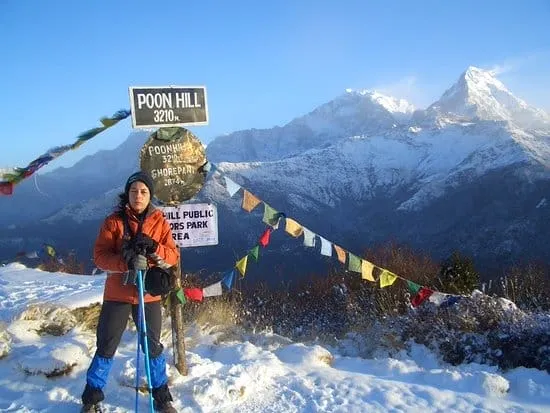
    One of the trek’s most memorable moments is the stunning sunrise from Poon Hill, a renowned viewpoint at 3,210 meters. Along the trail, you’ll pass through charming villages like Ghorepani, Tadapani, and Ghandruk, each offering a warm welcome and a glimpse into the vibrant culture of the Gurung and Magar communities. The lush terraced landscapes and diverse flora make this trek a haven for photographers. For more details on Poon Hill, check out the Poon Hill Trek Guide.

    Adventure Activities in the Annapurna Region

    Beyond trekking, the Annapurna region is a playground for adventure enthusiasts. From paragliding over the picturesque valleys to thrilling activities like zip-lining and bungee jumping, there’s no shortage of adrenaline-fueled experiences. Each activity presents a unique way to appreciate the majestic surroundings. Learn more about adventure sports in Nepal at Adventure Sports in Nepal.

    Trek Difficulty Level

    This trek is considered moderately challenging, requiring several hours of walking each day on uneven and often steep paths. However, with basic fitness and proper preparation, most trekkers can successfully complete it. For tips on getting ready for the Annapurna trails, see Trekking Tips for Annapurna.

    Best Season to Visit

    The best time to embark on the Annapurna Skyline Trek is in spring (March to May) or autumn (September to November). During these months, the weather is clear and dry, making for ideal trekking conditions. The trails are alive with blooming flora in spring and vibrant festivals in autumn. Discover more about the best trekking seasons at Best Trekking Seasons.

    Everest Base Camp Kalapathar Trek

    Starting Your Journey from Kathmandu to Lukla

    Your adventure begins with a 4-5 hour drive from Kathmandu to Manthali in Ramechhap district. From there, most trekkers take a short flight to Lukla’s Tenzing-Hillary Airport, known for its dramatic and steep runway. If you prefer to avoid flying, you can opt for a trek to Lukla through less-traveled routes, adding more excitement to your trip.

    Trekking from Lukla to Namche Bazaar

    From Lukla, the trek follows the beautiful Dudh Koshi valley, an easy walk that gradually ascends to Namche Bazaar in about two days. Namche Bazaar is the bustling Sherpa hub of the Khumbu region. Trekkers usually rest here to acclimatize and prepare for the days ahead.

    Highlights Along the Trail: Villages and National Parks

    The trail passes through several charming villages such as Phakding and Monjo before reaching the Jorsale checkpoint, which marks the entrance to Sagarmatha National Park. As you climb higher, yaks replace mules, carrying goods along narrow mountain paths.

    Majestic Mountain Views and Wildlife Encounters

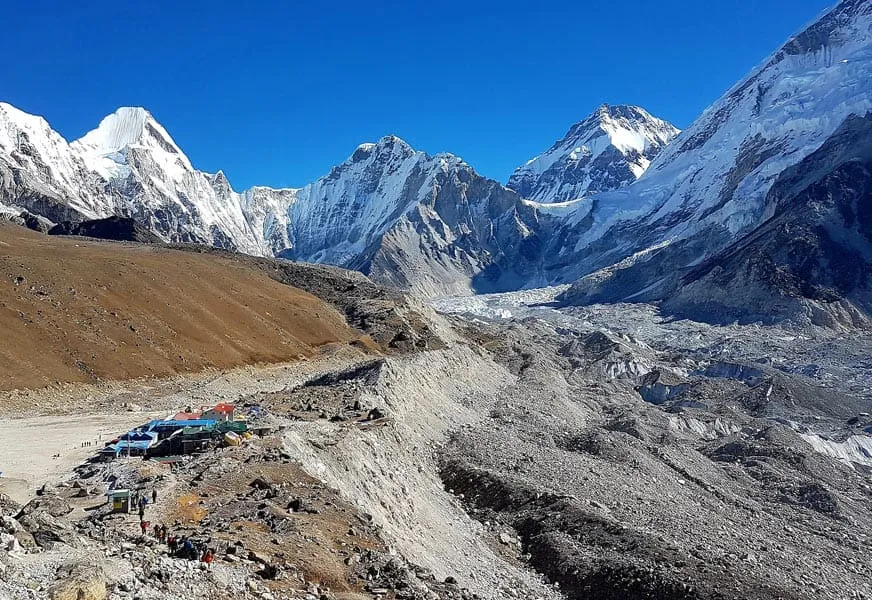
    This trek offers breathtaking views of peaks like Khumbila, Nuptse, Thamserku, Ama Dablam, and, of course, the Everest massif. Sagarmatha National Park is a UNESCO World Heritage Site, home to wildlife including musk deer, Himalayan tahr, and Himalayan black bears.

    Gorek Shep: The Last Stop Before Everest Base Camp

    Gorek Shep is the final village before reaching Everest Base Camp. It served as the original base for climbers in the 1950s. The last leg of the trek crosses a glacier and takes about five hours. The terrain can be tricky, so proceed with care.

    Ready to Take on the Everest Base Camp Trek?

    If you’re prepared to experience the iconic Everest Base Camp trek, explore our [trekking packages] or check out our [equipment rental guide] to get ready for this unforgettable adventure.

    Everest Base Camp Helicopter Trek

    Discover the Everest Base Camp Helicopter Trek: A Journey of Adventure and Culture

    If you’re seeking breathtaking mountain landscapes and a rich cultural experience, the Everest Base Camp Trek should be at the top of your bucket list. Renowned as one of the world’s premier trekking routes, this adventure draws travelers from across the globe, particularly Western adventurers eager for a blend of exploration and immersion in the local Sherpa culture.

    Why Choose the Everest Base Camp Helicopter Trek?

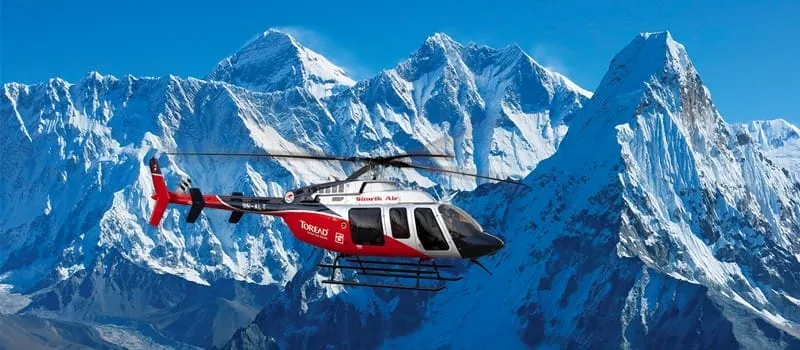
    The Everest Base Camp Trek offers a unique opportunity to witness some of the most spectacular views on Earth, all while traversing the lower altitudes, making it accessible for adventurers of all ages. While traditional treks can take up to 15 days, our exclusive 5-day package utilizes a helicopter for a luxurious experience, allowing you to explore the stunning Everest region without the lengthy commitment.

    Are You Ready for the Everest Base Camp Helicopter Trek?

    Come for the adventure of a lifetime and treat your senses to incomparable beauty, courtesy of the Everest Region. Whether you’re a seasoned trekker or a first-time adventurer, the Everest Base Camp Trek promises luxury and authenticity unparalleled by any other.

    This Everest Base Camp Trek is not just a journey; it’s an unforgettable experience combining adventure, culture, and stunning natural beauty. Every moment spent trekking is worth every penny, as you’ll create memories that will last a lifetime.

    Sherpa Culture and People

    The Sherpas, originally from the Everest region of Nepal, are well known for their mountaineering skills and deep cultural identity with Buddhism. Traditionally, Sherpas reside in villages at high altitudes, maintaining a lifestyle rooted in spirituality, hospitality, and their rich traditions. They are expert guides for Everest expeditions, largely involved in high-altitude trekking and mountaineering. Their resilience, kind nature, and respect for nature make the Sherpa people inseparable from the Himalayan trekking experience, providing visitors with both cultural and adventure insights.

    Kathmandu UNESCO World Heritage Sites

    Exploring Kathmandu: The Heart of Nepal and Its Rich UNESCO Heritage

    Kathmandu, the vibrant capital city of Nepal, serves as the heart of the nation and a hub for tourism. Nestled at an elevation of 1,400 meters, this city boasts seven UNESCO World Heritage Sites, all within a 20-kilometer radius. These remarkable sites not only reflect the rich culture of Nepalese society but also transport you back to ancient times with stunning architecture, vibrant festivals, and the warm local people.

    Must-Visit UNESCO World Heritage Sites in Kathmandu

    1. Pashupatinath Temple: A Sacred UNESCO Site

    Pashupatinath is one of the holiest Hindu temples in the world, dedicated to Lord Shiva. Each year, thousands of pilgrims and tourists visit this sacred site to witness Hindu rituals and ceremonies along the banks of the sacred Bagmati River. Additionally, you can observe unique cultural practices that highlight the site’s significance.

    2. Changu Narayan Temple: The Oldest Heritage Site

    Changu Narayan sits atop a hill and is the oldest Hindu temple in the Kathmandu Valley, believed to date back to the 4th century. This temple, dedicated to Lord Vishnu, features intricate wood carvings and stone sculptures. Furthermore, its serene environment offers an ideal spot for reflection and tranquility.

    3. Swayambhunath Stupa (Monkey Temple): A Spiritual UNESCO Landmark

    Swayambhunath, perched on a hilltop, provides panoramic views of Kathmandu. This ancient stupa, often called the Monkey Temple due to its resident monkeys, serves as a key pilgrimage site for Buddhists and a fascinating spot for tourists. Moreover, the vibrant atmosphere enhances the spiritual experience.

    4. Boudhanath Stupa: The Largest Buddhist UNESCO Shrine

    Boudhanath, recognized as the largest Buddhist shrine in Asia, attracts pilgrims and visitors worldwide. Its colossal stupa, surrounded by lively shops, monasteries, and cafes, creates a vibrant and spiritual atmosphere. In addition, the local cuisine adds to the overall experience, making it a culinary delight.

    5. Kathmandu Durbar Square: A Historical Heritage Complex

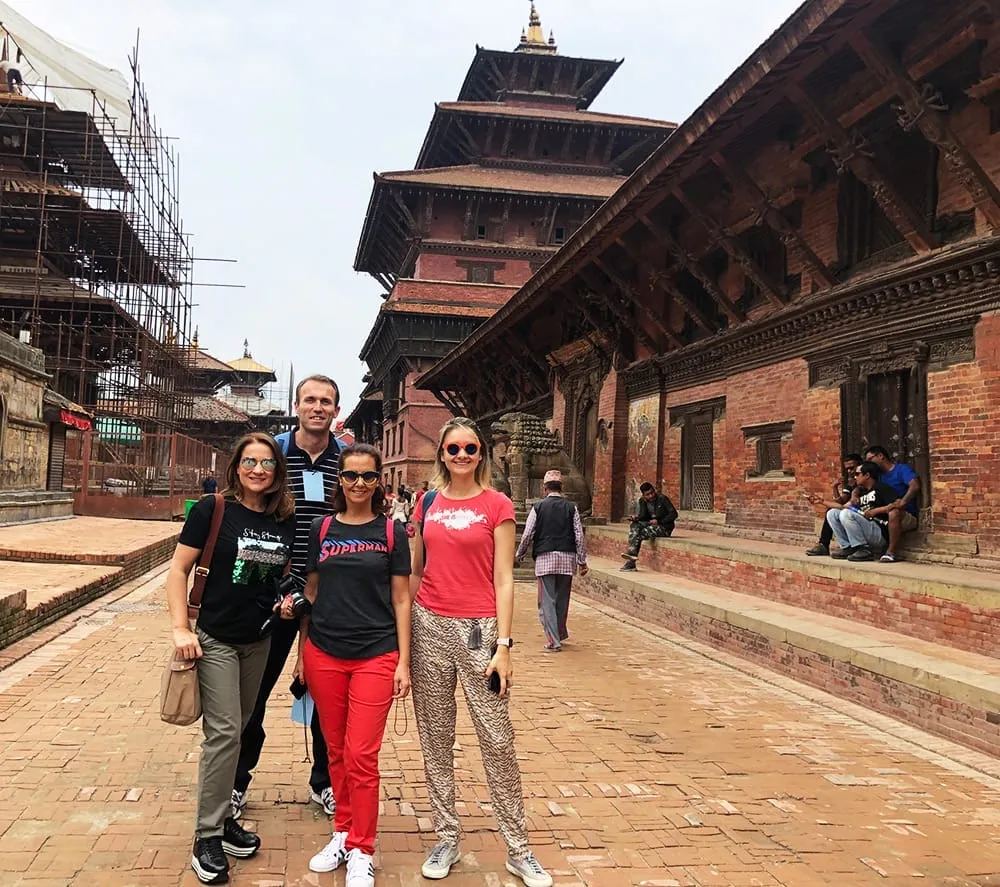
    Kathmandu Durbar Square, a UNESCO World Heritage Site, once served as the royal palace complex of the Malla kings. Here, you can marvel at intricately carved temples, palaces, and courtyards that reflect Nepal’s rich artistic heritage. As a result, this site is essential for anyone interested in history and architecture.

    Experience the Culture and Festivals of Kathmandu: A Vibrant Heritage Journey

    In addition to historical sites, Kathmandu is famous for its lively festivals and the warm hospitality of its people. Whether you participate in the colorful celebrations of Dashain and Tihar or enjoy local cuisine at bustling markets, Kathmandu offers a unique cultural experience that captivates every traveler. Consequently, the city’s vibrant atmosphere leaves a lasting impression.

    Conclusion: Embrace the Rich UNESCO Heritage of Kathmandu

    In conclusion, a tour of the Kathmandu UNESCO World Heritage Sites is essential for anyone wanting to immerse themselves in Nepal’s rich history, culture, and spirituality. With its breathtaking UNESCO heritage sites and lively atmosphere, Kathmandu offers an unforgettable experience for all visitors.

    Annapurna Base Camp Trek

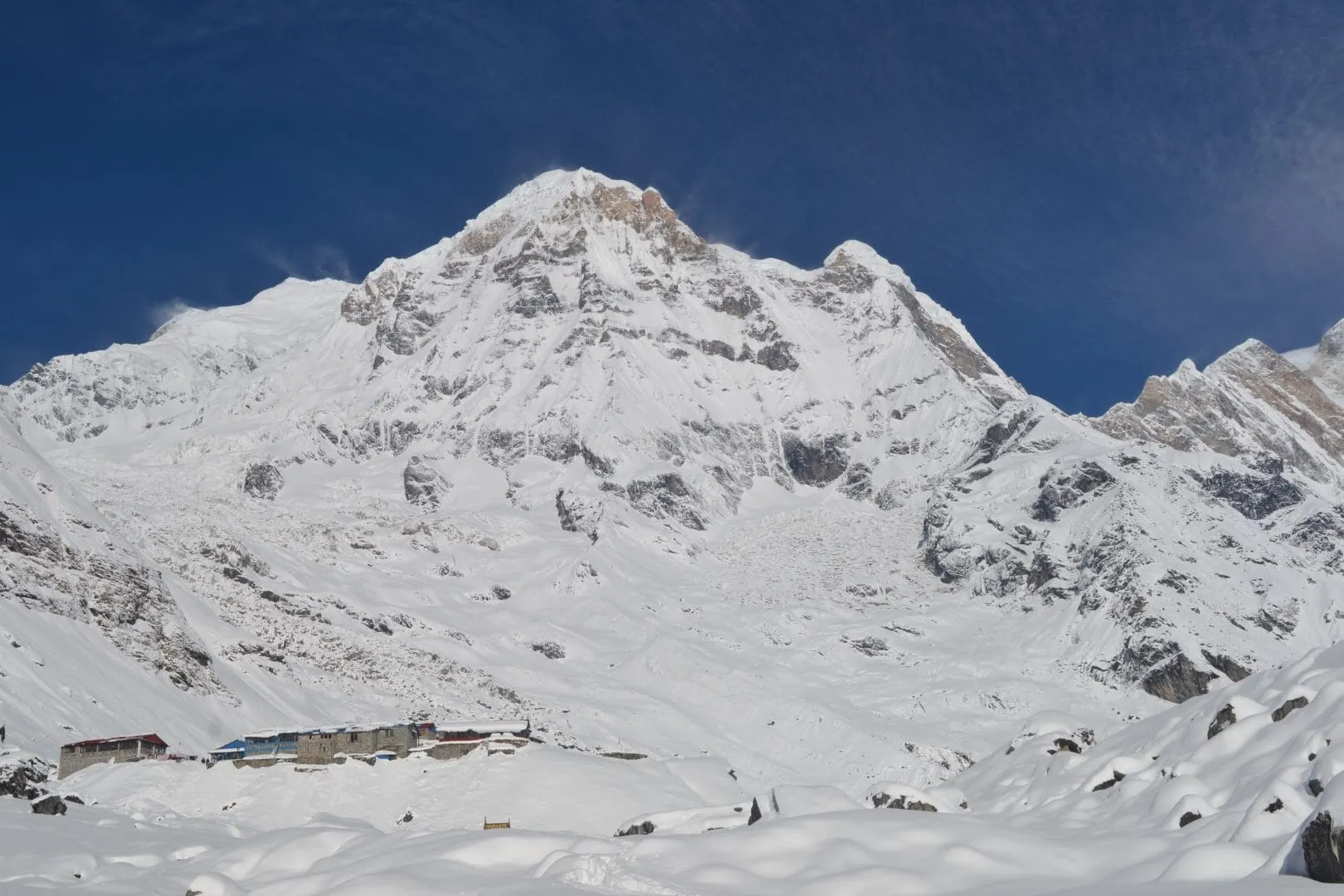
    Embark on a unique trek that takes you past lush green forests, picturesque villages and terraced farmlands overlooking glacier peaks. Annapurna Base Camp trek is one of the most popular treks in Nepal, and rightfully so because this trail offers you a spectacular close up view of Annapurna South, Himchhuli, Annapurna I, Dhaulagiri, Machhapuchhare, Manaslu, Poon hill and other gorgeous mountains.

    Annapurna Base Camp Trek Accommodation

    There are plenty of teahouse en-route Annapurna Base Camp with the simple amenities of cozy bed, private/sharing bathrooms, wifi on paid cost, hot shower on paid cost on request and organic food.

    The teahouses get booked during the peak trekking seasons from September to November and March to May. During these months, you need to book earlier or consult your guide. Otherwise, you can get accommodation easily in other rest months.

    Best Time to Trek Annapurna Base Camp

    Trekking to Annapurna base camp depends the experience you are looking for. The best months for trekking in Nepal are September, October, November, March, April and May. During these months, you will experience the sheer beauty, stunning Himalayan views, cultural colorful villages, terraced farmlands, warmer temperatures, availability of tea-houses, hiking through the lush jungles and hot springs during ABC trek.

    But, December to February posses winter season in Nepal and can be difficult for trekking. You may feel little bit colder trekking higher regions. The temperature might go upto -10 degree celcius to -15 degree celcius. The trail might be covered with snow and sometime risk of avalanches.

    Despite of poor visibility, heavy rainfall and risk of flood and landslides, monsoon trekking to Annapurna base camp is excellent for experiencing the greenery vegetation, colorful villages and terraced farmlands.

    Annapurna Base Camp Trek Difficulty

    Trekking to Annapurna base camp is a moderate trek by difficulty. But, if you have the regular practice of walking, running or hiking, you might feel it easy. Trekking to Nepal Himalayas is risk of altitude sickness so be careful of your health conditions. Otherwise, you need not to worry much about the Annapurna base camp trek difficulty. Walking slowly, drinking plenty of water and consulting with the guide would lead a happy trekking experience.

    ABC Trek Itinerary

    ABC trek from Kathmandu

    We have here total 14 days itinerary from Kathmandu to Kathmandu. This is because of having only one international airport – Tribhuvan International Airport in Nepal.

    On this itinerary, you will land at Tribhuvan International Airport, meet with the representative from Nepal Tour Guide Team and transfer to your booked hotel.

    On the day before departure, you will drive from Pokhara to Kathmandu and overnight stay at hotel.

    Annapurna Base Camp Trekking from Pokhara – 12 Days

    Choosing this itinerary will shortened the total trip duration and cut off 2 days from our itinerary.

    This would be possible soon after Nepal Government officially announces the International Airport in Pokhara which is under construction.

    Annapurna Base Camp Trek with other activities

    Extend your trip duration if you are interested and have time to travel in Nepal. We suggest you following activities to do in the case you have more days for holidays.

    You can do Pokhara city day sightseeing tour, Bungee Jumping in Pokhara, Paragliding in Pokhara, Seti River Rafting, Chitwan National Park jungle safari, Zip Flyer in Pokhara, tour to Bandipur, tour to Tansen, Lumbini and Chitwan.

    Book Anapurna Base Camp Trek Package 2024/25

    You can make booking of Annapurna Base Camp trek package directly on a call +977- 9851243700 (Viber/Whatsapp) or email ([email protected]) or filling up booking form. Here is our contact details for your convenience.

    Do you have fixed date? or planning for ABC trek in 2022, use the form for booking this trip. You can either customize the trip by clicking on Customize my trip button on the right side of the trip.

    If you are solo traveler and want to join a group, please contact us for fixed departure dates. You can get details about upcoming dates on our fixed departure dates section.

    Want more information of Annapurna Base Camp Trekking about the difficulty, cost details, food and accommodations, guides and porters, Nepal visa and required documents? we have updated information on the FAQs section or visit our blog.

    Mardi Himal Trek

    Mardi Himal Trek: A Journey into Nature and Culture

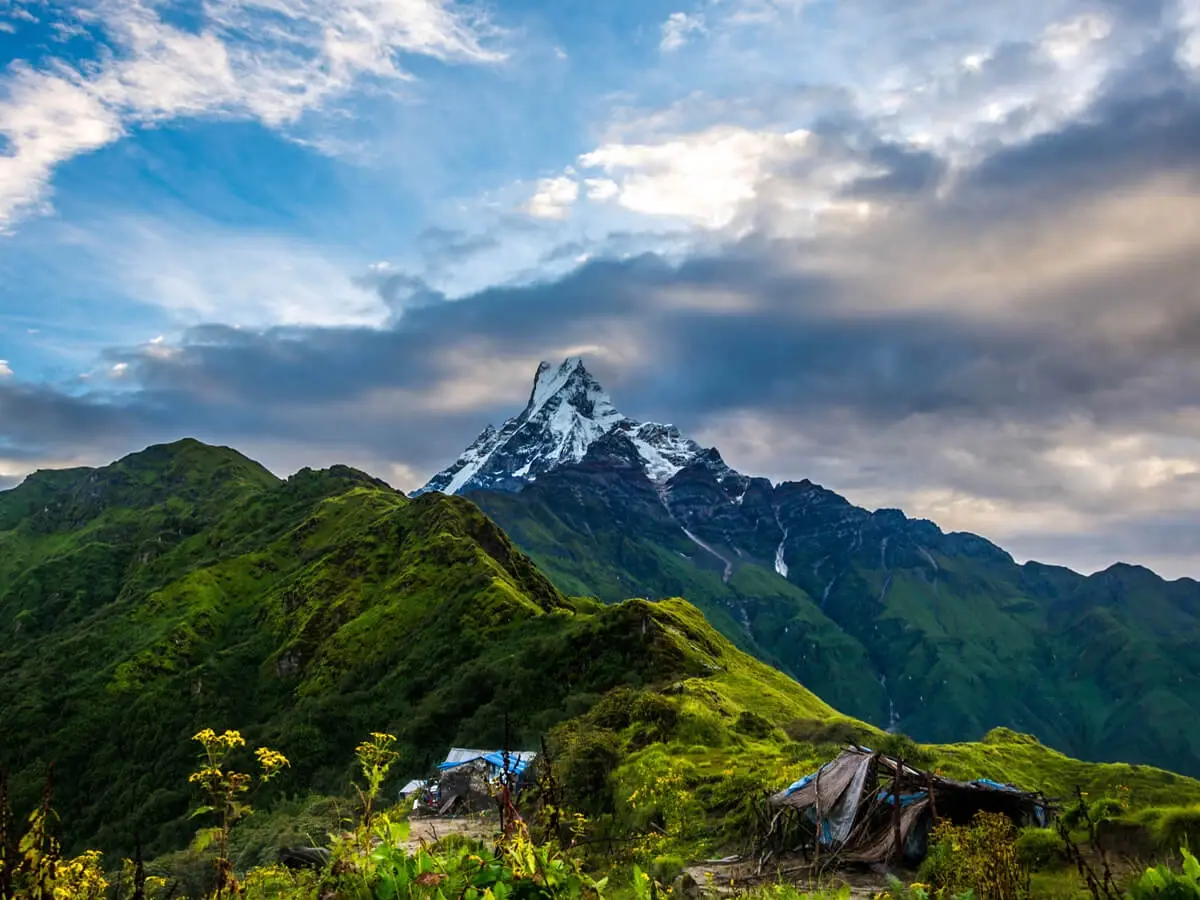
    The Mardi Himal trek is one of the most interesting adventures in the Annapurna area of Nepal. This trek is not too long, making it great for hikers of all skill levels. It provides a nice mix of excitement, culture, and beautiful nature. Whether you’re new to hiking or have done it before, this route lets you enjoy stunning Himalayan scenery while learning about Nepal’s rich culture.

    Why Choose the Mardi Himal Trek?

    One of the best parts of this adventure is walking through green forests full of colorful rhododendrons, which look especially pretty in spring. As you climb higher, you’ll see amazing views of snowy peaks, especially the impressive Mardi Himal and the Annapurna range. The wide views of these tall mountains make every part of the trip worthwhile.

    Cultural Exploration on the Trek

    Besides the natural beauty, the journey gives you a chance to meet the Gurung people, an original community with a deep cultural background. Along the way, you can learn about their special customs, enjoy their friendly welcome, and taste local delicacies. This cultural experience adds a meaningful dimension to the trek, helping you understand the way of life and history of the local people.

    Wildlife and Scenic Beauty

    The Mardi Himal trail also gives you a chance to see Nepal’s national bird, the Danphe (Himalayan Monal). This beautiful and unusual bird makes the trek even more special. As you walk through different types of landscapes, you’ll come across a variety of plants and animals, making the journey a haven for nature lovers.

    Trek Altitude and Accessibility

    This trek reaches its highest point at 4,500 meters (14,763 feet), offering a good challenge without being too difficult. Despite its altitude, the route is accessible to most hikers, making it ideal for families and friends seeking a rewarding Himalayan adventure. The mix of scenery and stunning mountain views makes this trail a must-try for anyone looking for a shorter but enriching trekking experience.

    A Unique Blend of Nature and Culture

    This trek provides an excellent opportunity to experience both nature and culture. It offers a special glimpse into the heart of the Himalayas, combining incredible views with rich cultural encounters. Whether you’re trekking with family or embarking on a solo adventure, this journey promises unforgettable memories.

    Chandragiri Cable Car Tour

    Chandragiri Cable Car Tour

    Chandragiri Cable Car Tour: A Perfect Day Trip from Kathmandu

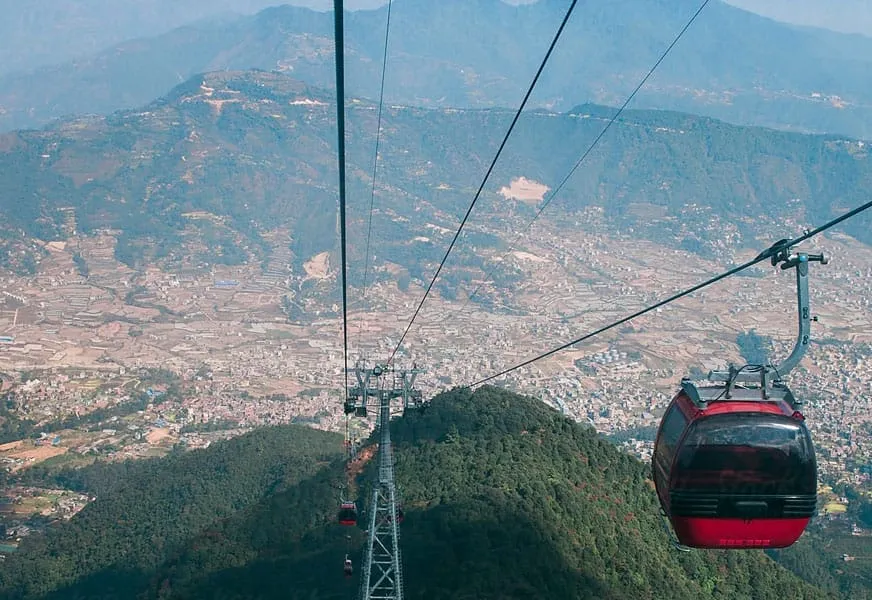
    Chandragiri Cable Car Tour offers a fantastic experience for both local and international tourists. Located about seven kilometers southwest of Kathmandu, near Thankot, this newly installed cable car takes visitors from the base to the top of Chandragiri Hill. It has quickly become one of the most popular day-trip destinations near Kathmandu Valley.

    If you want to escape the polluted city for a while, the Chandragiri Cable Car Tour is a refreshing option. This 2.5-kilometer cable ride lasts between 9 and 15 minutes, depending on the wind, giving you plenty of time to enjoy breathtaking views along the way.

    Stunning Mountain Views from Chandragiri Hill

    At the summit, the panoramic views of the Himalayas are simply unforgettable. You can spot the Annapurna massif, Manaslu massif, Ganesh massif, Langtang massif, Jugal massif, and the Mahalangur massif, which includes the world-famous Mount Everest. It’s impressive to find such a variety of mountain ranges so close to Kathmandu city.

    Explore the Lord Bhaleshwor Mahadev Temple on Chandragiri Hill

    Apart from the natural beauty, the tour offers a spiritual experience. The Lord Bhaleshwor Mahadev temple sits at the hilltop, attracting devotees and visitors alike. This Hindu temple is a peaceful place to reflect and take in the surrounding scenery.

    How to Get to Chandragiri Cable Car

    The cable car station is easily accessible by road from Kathmandu. Many travelers combine this tour with other Kathmandu Valley attractions such as the historic Pashupatinath Temple or the vibrant Boudhanath Stupa. You can book a private taxi or join a group tour for convenience.

    When to Visit Chandragiri Cable Car Tour

    The best time to visit is during the clear weather months from October to April, when the mountain views are most spectacular. Early morning or late afternoon trips offer stunning sunrises and sunsets, ideal for photography enthusiasts.

    If you’re looking for a relaxed day trip after trekking or exploring Kathmandu, the Chandragiri Cable Car Tour is a perfect choice. For more travel ideas in Nepal, check out our guides on Kathmandu Valley Tours and Day Trips from Kathmandu.

    For official ticket information and operating hours, visit the Chandragiri Cable Car website.

    Nar Phu valley trek

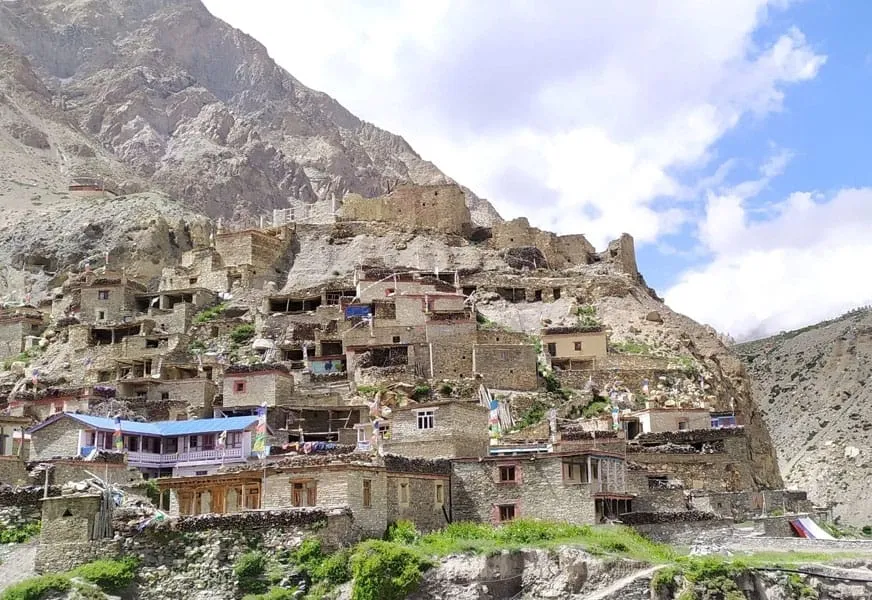
    To trek remote and an ancient villages of Himalayan region Nar Phu valley trek is destination. From this trek you can view Annapurna II, Gangapurna, Himlung Himal and Tilicho peak. This will be breathtaking moment for you. This trek will take you to through pine forest from where you can see Flora and fauna. Animals like snow leopard are seen here. This trek will take you the ancient monasteries along with Kang la pass. This trek will pass through the chortens the gate way of Nar Phu valley to the upper Manang. In this place in Tibet area we can see unique colorful prayer stones. You can Tibetan village which is built of stones.

    This trek starts from Kathmandu we drive to Koto. Then our trail ahead to Meta in we can see a plain land with small number of houses. You will get lodges in Meta with Wi-fi and phone signals. There are small lodges but they are clean and you will be provided tasty food here. We will explore Nar Phu village and spend a day with the villagers and involving in cattle farming. If you are able to hike to Himlung Himal base camp. We will hike.

    Best season for this trek is spring season in this period weather is clear so you can see the view of Himalayas easily.

    Nepal Tourism Activities